Portraits and Masculinity
19th Century Western Male Portraits
The Mercantile Library and Art Museum possess a strong collection of portraiture. The portraits selected for this online exhibit are excellent examples of portraiture and its function as social and class identity symbols. The portraits in the following digital exhibit assert their sitters with the identity they desired and carefully cultivated through their choice of attire, facial expression, background, and accessoriess. The portraits presented in this section of the exhibit are the epitome of masculinity during 19th century America, especially in the Midwest.
George Washington; oil study after the portrait by Gilbert Stuart, George Caleb Bingham, 1856
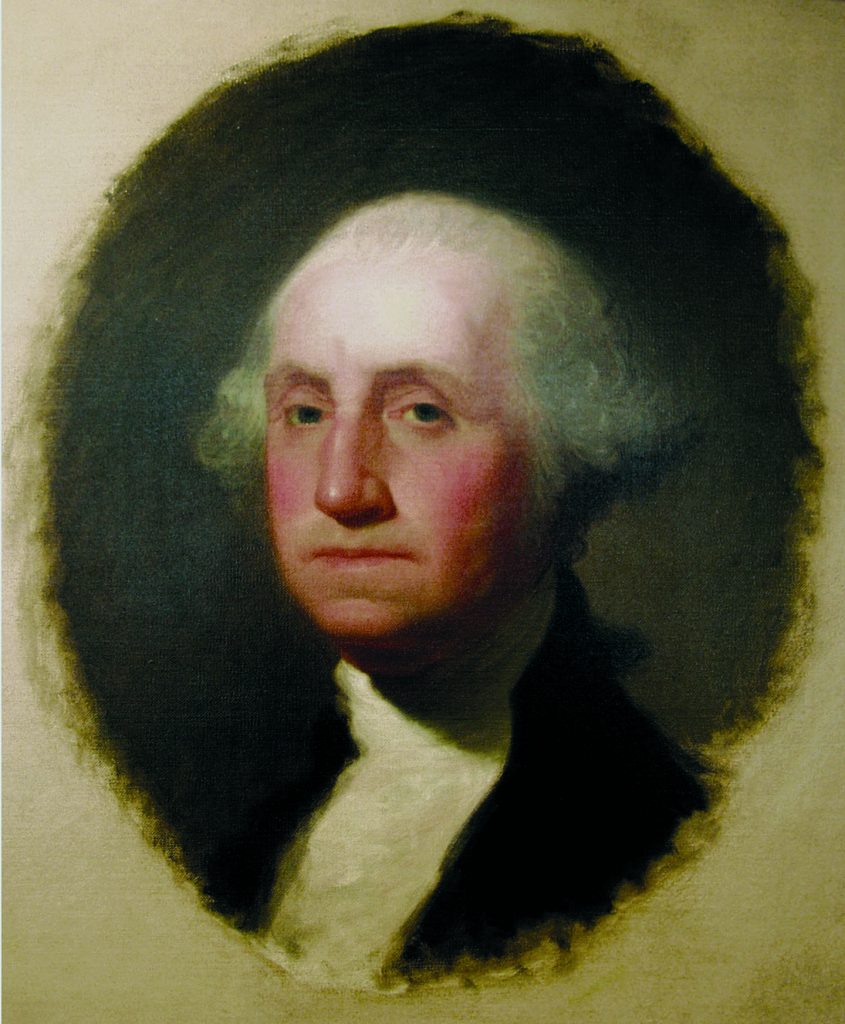
Born in 1811 in Arrow Rock, MO, Bingham was a Missouri artist and politician . He began his artistic career at the age of 16, in 1827, when he began to render portraits. This portrait was a study of a more notable painting of George Washington by artist Gilbert Stuart. The expression Washington wears is reserved and cool, yet stern. His ultimate goal in the painting was to depict Washington in the same manner of “enlightened rulers”. Bingham’s portrait of Washington is a representation of 19th century male virtuoso. The portrait was created several years after Washington was elected into office. Washington was the epitome of leadership during the 19th century. As a politician, Bingham would have been hyper aware of Washington’s identity as the leader of America. Bingham himself was an experienced leader at the age of 45, and Washington could have been what he aspired to be in his political ventures.
Portrait of Auguste Chouteau, Josef Salazar, ca 1784
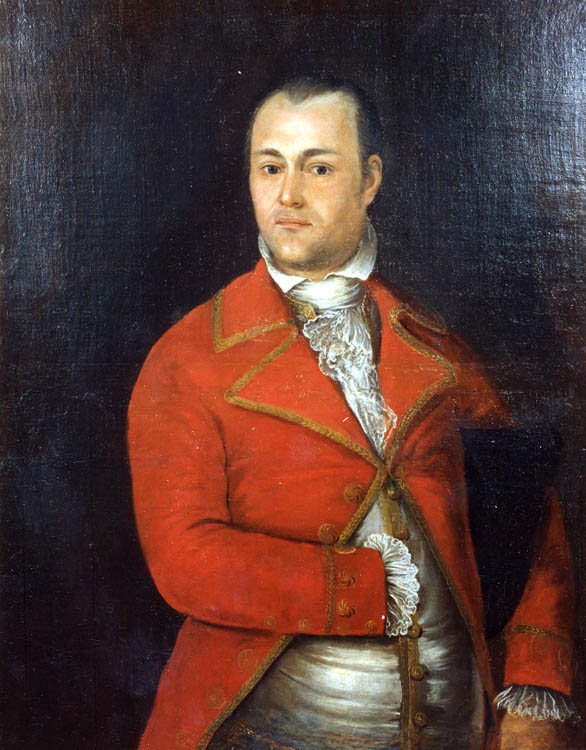
This portrait of Auguste Chouteau was completed around 1784 by Spanish artist Josef Salazar. Chouteau was essential to the founding of St. Louis, MO. Chouteau’s posture allude to his position as a prominent member of St. Louis society. The way he positions his right hand in his waistcoat was a very common portrait pose, not only during the 19th century, but also centuries beforehand. Well known examples of this can be found in portraits of Napoleon Bonaparte. This is interesting, as Bonaparte was leader of Chouteau’s home country, France. Perhaps his adoption of this pose was meant to pay homage to his home country. The traits that became associated with this sort of body language during the time were “manly boldness”, and Chouteau certainly exudes these traits in his portrait. These traits have been associated with machismo (masculine pride). and leadership. Chotoeau’s attire and facial expression are meant to add to Choteau’s identity as a leader, and illustrate some of the portrait mechanisms present in 19th century America.
William Clark,as Governor of the Territory of Missouri, Chester Harding, ca 1820
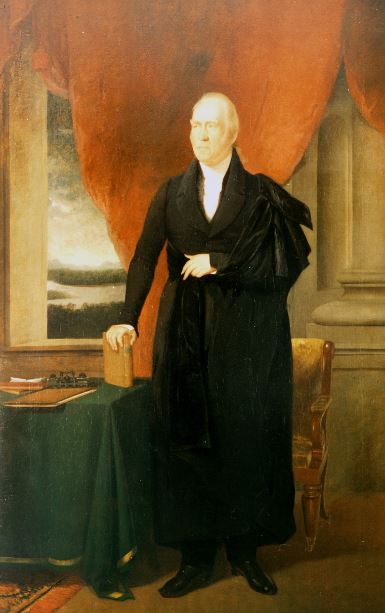
William Clark is one of the most notable figures in Mid-Western American history. He is probably most well known for his famous expedition with Meriwether Lewis. Harding was a self taught artist from Massachusetts, who traveled to Missouri for work. The portrait style is “the Grand Manner” tradition. This style of portraiture was common during the 19th century, with the black clothing, roman columns, views of the outside world, and red drapery repeated in representations of politicians. The style is associated with elements from antiquity, including poses from classical paintings and sculpture. This format was used for gentlemen who represented 19th century “manliness”. His hand resting upon the book represents his administrative responsibilities. The open window depicts the confluence of the Missouri and Mississippi River. This, coupled with his/Harding’s decision to utilize a form of representation that was reserved for men in power, illustrate Clark’s identity as a virile leader.
Edward Johnston, Sarah Miriam Peale, ca 1860
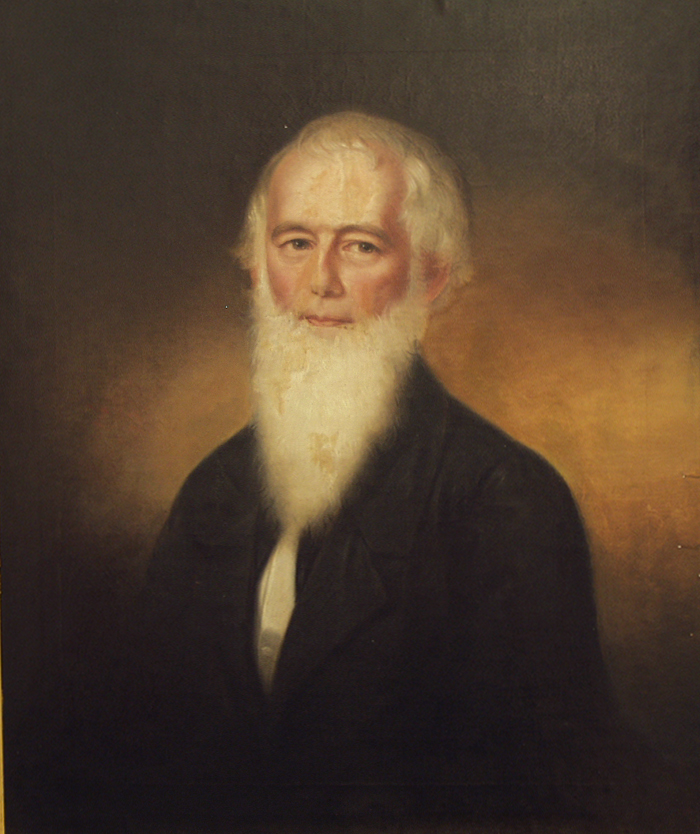
Johnston was a librarian at the Mercantile Library during the Civil War. The painting was created by the leading portrait artist of Philadelphia and St. Louis in the 19th century, Sarah Miriam Peale, in 1860. Johnston’s portrait was probably commissioned by the Mercantile’s wealthy patrons. Johnston’s beard frames his face, and softens his features, especially when coupled with his relaxed facial expression. The expressions in the previous portraits were confrontational , while here, Peale’s deviates. Peale utilizes fleshy tones to delineate Johnstons visage. The colors contrast the darkened background, and are highlighted through the warm section of the painting beneath Johnston’s head. Johnston chooses to present another aspect of male identity, being depicted in a softer light though his facial expression and the warmth of the light in the background. The lack of accessories and his eased demeanor contribute to presentation of another dimension of masculinity, one that differs from his contemporaries in this exhibit.
Joseph Charless Jr., William Cogswell, ca 1859
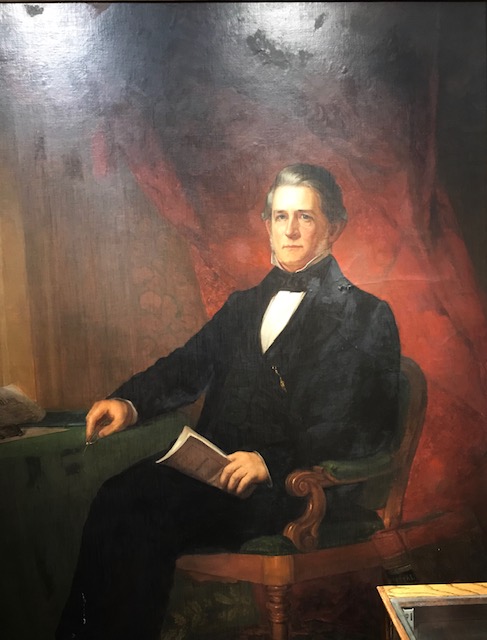
This portrait of Joseph Charless Jr. was painted by William Cogswell in 1859. Charless was the son of a prominent St. Louis printer. As the son of such an influential man, Charless. would have desired to exemplify the proper qualities of masculinity. Cogswell utilizes the Grand Manner portrait formula to paint Chalress . The repetition of black clothing throughout these portraits was associated with trends in 1800s male fashion. Men’s clothing was meant to be somber, austere, and non distracting. Men’s clothing was meant to “reject sensuality and individuality”, and align with qualities of antiquity they desired to represent. His seated position emphasizes his status, as seating in portraiture is associated with nobility. To the left of Charless an image of a newspaper, alluding to his family’s business endeavors, and this is pushed by the document he holds in his hand. His clothing, seated position, and the inclusion of the newspaper, held document, and reading glasses all point to his identity as a prominent member of St. Louis 19th century society.
